
Honestly, I wasn’t going to talk about this until later, but this “butt study” (can you believe it, a butt study?!) crossed my desk and with it surged all kinds of thoughts about how I’ve viewed my heiny over the years. I realized I’d carried a lot of shame and guilt about my body.
Can you believe it, a butt study?! It stirred up all kinds of thoughts
I grew up in the era (or maybe it’s always the era?), where it was common to hear men say, “I’m a butt man” or “I’m a leg man” or whatever female body part was being singled out. But it seems the butt was a particular favorite… and according to this study, it apparently still is. It’s wild when unexpected body triggers surface from something so clinical.
Recent research published in Aesthetic Plastic Surgery took a deep dive, quite literally, into visual attention patterns related to the female butt. Using advanced eye-tracking technology, researchers analyzed the subconscious gaze behavior in 67 straight men and women.
The data revealed that both men and women spent the most time looking at the “intergluteal cleft” (that’s the butt crack), though men lingered slightly longer. However, beyond this shared focus, women tended to spend more time examining the upper lateral buttock, the part of the butt that adds roundness, and also where the curve of the back meets the glutes. Men were more drawn to the hip dip – where the hip bone meets the thigh. This suggests that while the butt crack captures attention first, men and women then have, ahem, different points of interest.
From a clinical perspective, I understand why this study was done as the findings hold implications for plastic surgery. What do people want? The study points out that as demand for butt augmentation procedures continue to rise, plastic surgeons need to understand these subconscious preferences shaping our worth in the mirror.
Gauging the Hang in Front of the Mirror Before I Started Healing
Given that, it’s clear that our idea of beauty arises from society’s standards rather than our own – and the pressures persist, perhaps more than ever with the pervasive social media making women feel so inadequate every day. Personally, I remember countless moments spent in front of the mirror, turning sideways to gauge the ‘hang’ of my butt (I’ll spare you an image of this).
Over the years, depending on the intensity of exercise I was doing, the “hang” would be more or less … yet, I was always very conscious of how I thought it appeared, which shows how unwinding decades of stored trauma takes real honesty. I’d buy clothes based on whether it made my butt “look big” or accentuated my curves, letting that old shame and guilt dictate what I wore.

That sneaky shame and guilt piece
I know, I know, a lot of us have done this. Yet I want to be honest: this was just another way my feelings of inadequacy showed up about my body… and the more inadequate I felt, the more I cared. I have to say that this was another sneaky shame and guilt piece that didn’t surface until I saw this study. In the grand pecking order of concerns today, my butt is the least of it.
One more layer peeled off my body UNshaming assignment
As you know, through this series, I’m working hard to UNshame my body and break free from the relentless self-surveillance. However, back in the day, regarding my heiny, I was on high alert. Every reflection, every fitting room, every full-figured photo came with a running mental tally of whether my butt was too flat, too round, too something.
There you go, this week’s confession and one more layer peeled off my body UNshaming assignment. What are your thoughts about this piece? Do you recognize some of these same patterns? Drop down to the comments section and let me know.
With Love,
Becca
Join the conversation
This piece is part of an ongoing conversation over on Facebook, where our community gathers. Add your voice there — or, if you’d rather share something just with Becca, send a private note.
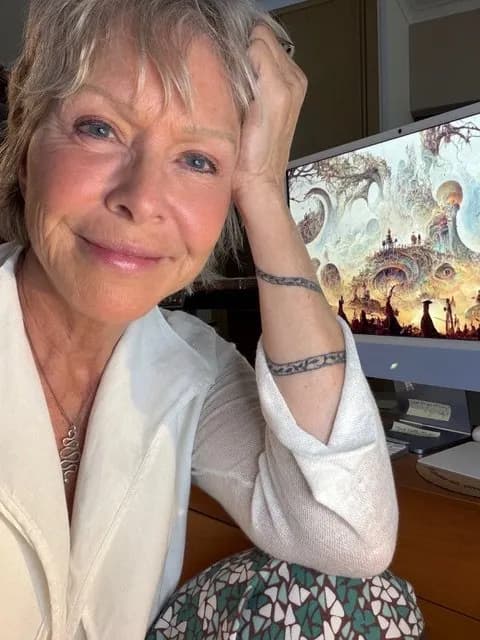
Becca Williams
Emotions Therapist & Registered Dietitian
An Emotions Therapist, Registered Dietitian/Nutritionist, educator, group facilitator, and longtime plant medicine advocate.
More about Becca